March 16, 2026
Early childhood development is the foundation for a child's emotional, social, and cognitive growth. Day care centers provide essential support to working families by offering safe, structured care and early learning opportunities for young children. These centers give children the chance to learn through play, guided activities, and interactions with caregivers and peers. By providing nurturing and structured environments, day care programs help children develop skills that prepare them for school and future life experiences.
In addition to offering a structured schedule, day care programs provide children with a sense of routine and familiarity. Daily activities are designed to be engaging and enjoyable, allowing children to explore their surroundings and become comfortable participating in a group setting. Over time, these experiences help children gain a feeling of stability and a positive approach to learning new things. Caregivers often incorporate small, everyday activities into the schedule to encourage curiosity and reflection, giving children opportunities to discover more about themselves and the world around them. According to the National Women's Law Center, nearly a quarter (23.1%) of families in the United States are unable to find or afford child care, a significant increase from previous years due to reduced federal funding and provider closures.
Social Growth
Develop Social Skills
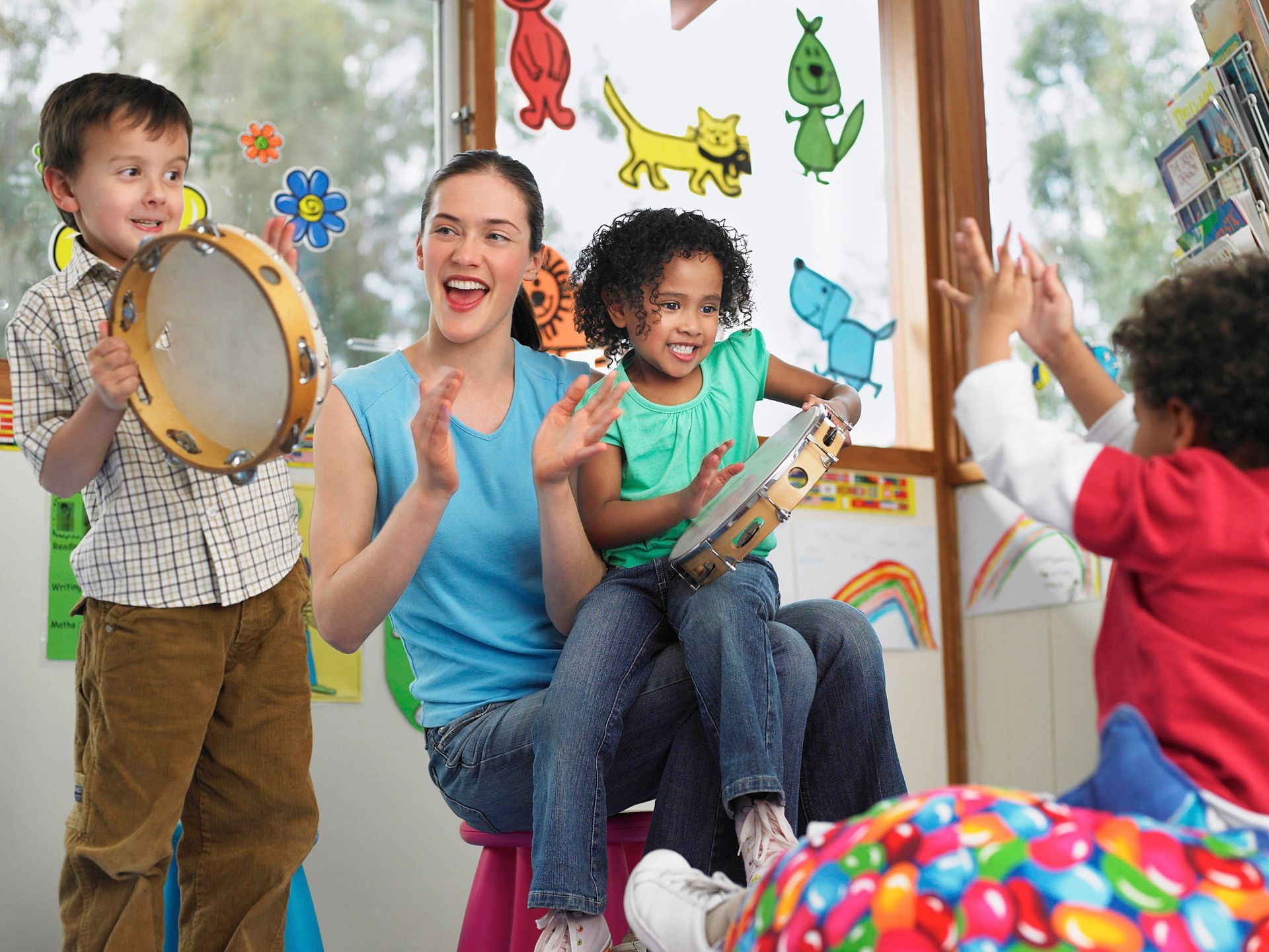
Social interaction is a key part of early learning programs. Children learn to communicate, share, and cooperate with peers through group activities and guided play. These experiences help children develop empathy, patience, and understanding while building a sense of belonging. Caregivers encourage positive interactions and support children in forming friendships and learning how to navigate social situations. Daily exposure to a variety of peers and activities also helps children adapt to different personalities and social cues, giving them opportunities to practice flexibility, respect for others, and collaborative problem-solving in a safe, supportive environment.
In addition, social experiences at day care centers help children explore different ways to express their feelings and respond to others' emotions. Participating in small group projects and cooperative games provides a natural setting for practicing problem-solving and negotiation skills. Children also learn to listen attentively, wait their turn, and consider the perspectives of others, all of which contribute to a well-rounded approach to social engagement. Over time, these everyday interactions help children feel more comfortable in various social environments, from the classroom to future school settings, while encouraging confidence in initiating interactions and forming meaningful relationships.
Cognitive Development
Build Cognitive Skills
Day care centers foster cognitive growth through play-based and structured activities. Storytelling, arts and crafts, and hands-on projects encourage curiosity and problem-solving skills while promoting early learning concepts in an age-appropriate manner. Children develop confidence in their ability to explore new ideas, ask questions, and engage with the world around them. This structured approach helps prepare children for a smooth transition into kindergarten and early academic experiences.
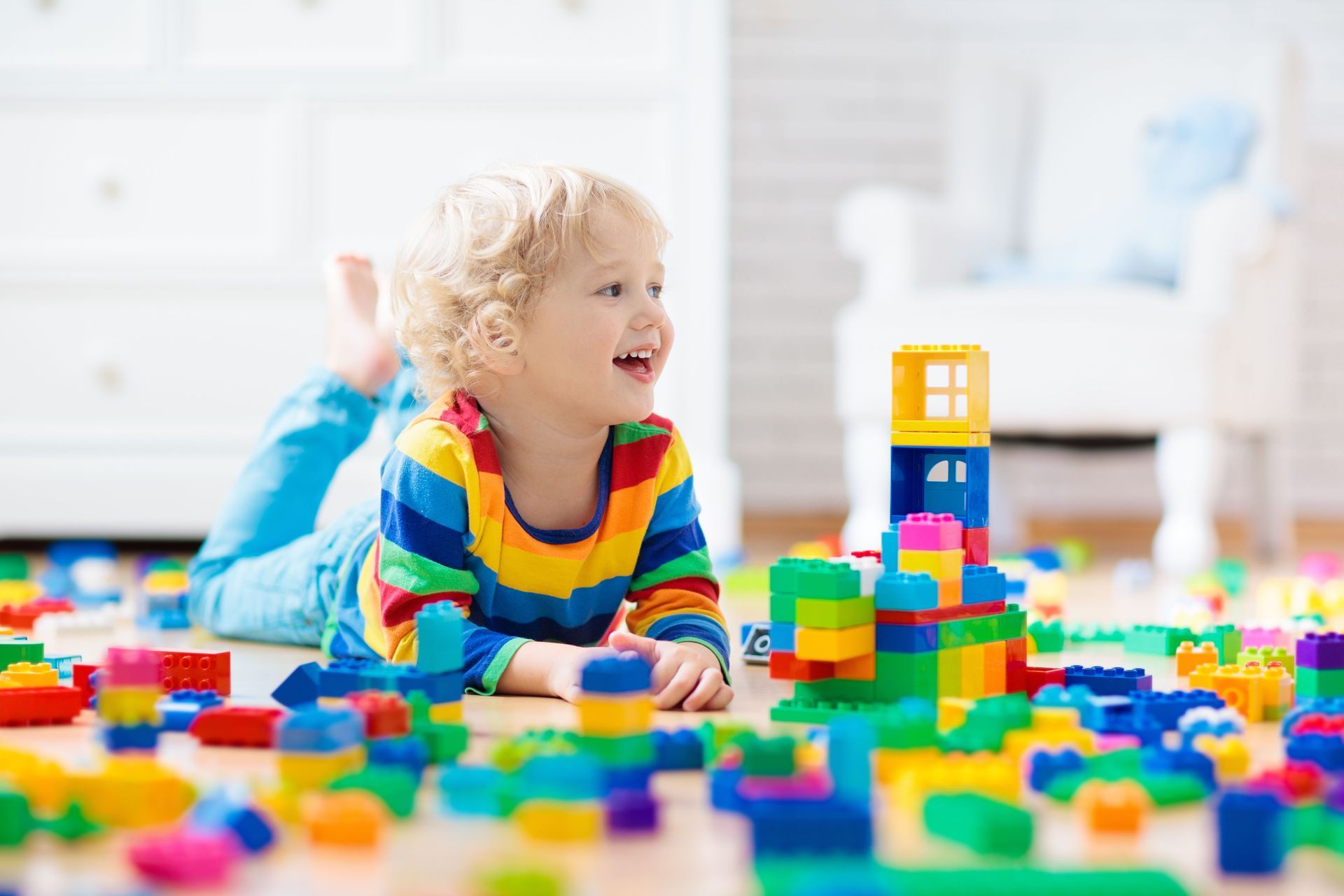
Play-based learning also allows children to experiment and test their ideas in a safe, supportive environment. Activities are designed to spark imagination while encouraging children to observe, inquire, and reflect. Whether through building with blocks, exploring sensory materials, or participating in creative arts, children gain a deeper understanding of concepts like cause and effect, spatial relationships, and collaboration. Repetition of enjoyable activities over time helps reinforce these skills and creates positive associations with learning.
Emotional Well-Being
Support Emotional Growth
Caregivers play a crucial role in helping children understand and express their emotions. Through consistent routines and guided interactions, children learn to manage feelings, develop empathy, and respond constructively to challenges. Positive reinforcement and encouragement from caregivers help build self-esteem and confidence, allowing children to approach new experiences with enthusiasm and resilience.
Children are also given opportunities to reflect on their experiences and practice recognizing their own feelings in a safe setting. Gentle guidance and age-appropriate activities help children understand concepts like patience, taking turns, and expressing needs in a clear and respectful way. Daily interactions with caregivers and peers provide repeated, meaningful practice in managing emotions, which supports ongoing personal growth and development. Over time, children become more aware of how their actions impact others, laying the foundation for healthy emotional habits.
Physical Growth
Enhance Physical Abilities
Physical activity is integrated into daily routines to support the development of gross and fine motor skills. Outdoor play, climbing, running, and structured exercises help children develop strength, coordination, and overall fitness. Fine motor activities, such as drawing, building with blocks, and manipulative play, also encourage hand-eye coordination and dexterity. When combined with balanced meals and snacks provided throughout the day, these routines contribute to children's overall health, helping them feel energized and engaged while developing foundational habits that support long-term well-being and confidence in their physical abilities.
Engaging in a variety of physical activities also helps children learn about their bodies and how movement can be fun and enjoyable. Repeated practice of basic movements like jumping, throwing, and balancing builds confidence and spatial awareness. A mix of indoor and outdoor play allows children to explore new environments, interact with peers, and discover how movement affects their bodies. These experiences not only support physical growth but also encourage curiosity, adaptability, and a positive attitude toward being active, while fostering skills that contribute to everyday independence and coordination.
Communication Skills
Improve Communication
Language development is a core focus in early childhood programs. Children are exposed to rich verbal interactions with caregivers and peers, participating in reading, storytelling, and singing activities. These experiences help enhance vocabulary, comprehension, and the ability to express ideas clearly. Encouraging children to communicate in a supportive, interactive environment allows them to develop confidence, practice expressing themselves, and gradually build the foundational skills that benefit social relationships, academic success, and lifelong communication abilities, all within a playful and engaging setting that keeps learning enjoyable.
Children are given multiple opportunities to practice listening and speaking in a variety of settings. Circle time, small group discussions, and interactive games encourage experimentation with language in playful ways, helping children develop storytelling, sequencing, and descriptive skills. Through consistent practice and gentle guidance, children gain confidence in sharing ideas, asking questions, and participating in conversations. These repeated interactions reinforce listening comprehension, verbal expression, and social engagement, providing children with the experience and comfort to communicate effectively in both structured and informal situations.
Respectful Behavior
Encourage Cooperation
Day care centers provide structured environments that promote respect, collaboration, and positive social behavior. Through group activities and cooperative play, children learn to work together, share responsibilities, and navigate peer interactions successfully. These experiences help children understand the value of teamwork and build social awareness while fostering a sense of community and inclusion within the classroom. By engaging in these guided activities, children are encouraged to consider others' perspectives, practice patience, and develop the social skills necessary to participate constructively in group settings.
Children also benefit from observing positive social behaviors modeled by caregivers and peers, which provides real-life examples of respectful interaction. Activities are designed to encourage teamwork, problem-solving, and compromise, helping children see how individual efforts contribute to shared goals. Over time, these experiences support the development of adaptability, cooperation, and self-regulation, while promoting a harmonious classroom atmosphere where children learn to value collaboration and understand how their actions influence the group as a whole.
Foundational Learning
Strengthen Development
Day care centers support the social, cognitive, emotional, and physical growth of young children through structured learning, engaging activities, and attentive care. These programs help prepare children for a positive transition into school while encouraging curiosity, confidence, and cooperation. To learn more about the programs and opportunities available for your child, visit 1st Step Early Learning Center and explore how our nurturing environment can help children thrive.